
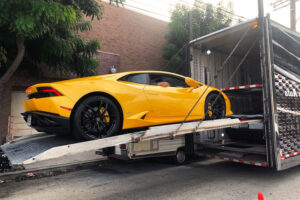
 The cost of shipping a car depends on several factors. Here’s a breakdown of how car shipping costs are typically calculated:
1. Distance
- Shorter Distances: Shipping within a region or a state is usually cheaper because the transport distance is shorter.
- Longer Distances: The farther the car needs to travel, the higher the cost, due to increased fuel, time, and logistics involved.
2. Shipping Method
- Open Carrier: This is the most common and cost-effective option, where vehicles are transported on an open trailer. Prices can range from $500 to $1,500 or more, depending on the distance and vehicle size.
- Enclosed Carrier: Offers more protection for the car, especially for luxury, classic, or high-value vehicles. It’s typically more expensive, often 30-50% more than open carrier shipping.
3. Vehicle Size and Weight
- Larger Vehicles: SUVs, trucks, and other oversized vehicles usually cost more to ship due to their weight and size, which take up more space on the carrier.
- Luxury and Specialty Vehicles: High-end cars, sports cars, or any specialty vehicles can cost more due to their value, which often necessitates additional care, enclosed transport, or specialized equipment.
4. Pick-Up and Drop-Off Locations
- Urban vs Rural: If the car is being picked up or delivered from a location that’s far off the main shipping route (e.g., remote areas), additional fees may be charged for out-of-the-way deliveries.
- Door-to-Door vs Terminal-to-Terminal: Door-to-door service is typically more expensive than terminal-to-terminal, where you drop off and pick up the car at a shipping terminal.
5. Time of Year
- Peak Season: During peak seasons (e.g., summer or the end of the year), shipping rates tend to rise due to higher demand. You may pay more for services during these times.
- Off-Peak Season: You may find discounts or lower rates during the off-peak season, when demand is lower.
6. Condition of the Car
- Running or Non-Running: If the car is inoperable or requires special equipment to load/unload, this can increase the cost. Some companies may charge extra for non-running vehicles due to the need for additional tools and labor.
7. Insurance Coverage
- Basic vs Full Coverage: Basic insurance is typically included, but opting for additional or full coverage will add to the cost of shipping. If you’re shipping a valuable car, it’s advisable to ensure adequate coverage.
8. Time Frame
- Expedited Shipping: If you need your car delivered within a specific timeframe, expedited shipping will cost more. Standard shipping can take anywhere from 1-2 weeks, depending on the distance.
9. Carrier Reputation & Availability
- Reputation and Reliability: Established, well-known car shipping companies often have higher rates due to their reliability and reputation. However, they may offer better service and peace of mind.
- Availability: If you’re shipping to a high-demand area, such as during certain seasons, the availability of carriers may affect prices.
Example Pricing
- Short Distance (e.g., 500 miles): $500–$800 for an open carrier, $900–$1,200 for an enclosed carrier.
- Long Distance (e.g., 1,500 miles): $1,000–$1,400 for an open carrier, $1,500–$2,500 for an enclosed carrier.
- Cross-country (e.g., 2,500+ miles): $1,200–$2,000 for an open carrier, $2,000–$3,500 for an enclosed carrier.
How to Save on Shipping Costs
- Flexible Timing: If you can be flexible with the pickup and delivery times, you may be able to find lower rates.
- Off-Peak Shipping: Ship your car during the off-peak season to take advantage of lower prices.
- Terminal-to-Terminal: If you’re willing to drop off and pick up your car at designated terminals, you can save money.
- Compare Quotes: Always get quotes from multiple auto transporters to compare rates.
By understanding these factors, you can better estimate the cost of shipping your car and make the most informed decision when choosing a shipping service.